A dental simulation lab RFP should tell suppliers what students need to practise, how many independent stations the school needs and what work the supplier must include. Ask each supplier to answer the same requirements, identify the proposed model and price each part of the project separately.
RFP means request for proposal. This guide covers physical phantom-head dental simulators for schools and training centres. Use it to prepare the technical brief, then have your purchasing team add the submission rules and contract terms required by your institution.
Download the editable RFP template (TXT)
Start with the teaching brief
Ask instructors to list the exercises the lab must support, such as cavity preparation or work with a specified practice jaw. State whether students will work independently or train as an operator and assistant. Add any instructor demonstration station as a separate item.
Write down the largest group doing practical work at one time. Then specify the number of independent practice positions required. A two-student unit can have two separate phantom heads or one shared head for team training. Ask the supplier to confirm the capacity of the offered configuration. The station quantity guide explains this calculation.
Attach a dated room plan with dimensions, doors, access routes and known utility points. Mark any measurements that still need checking. Tell suppliers whether the project is a new room or an upgrade using existing equipment.
Write specifications you can check
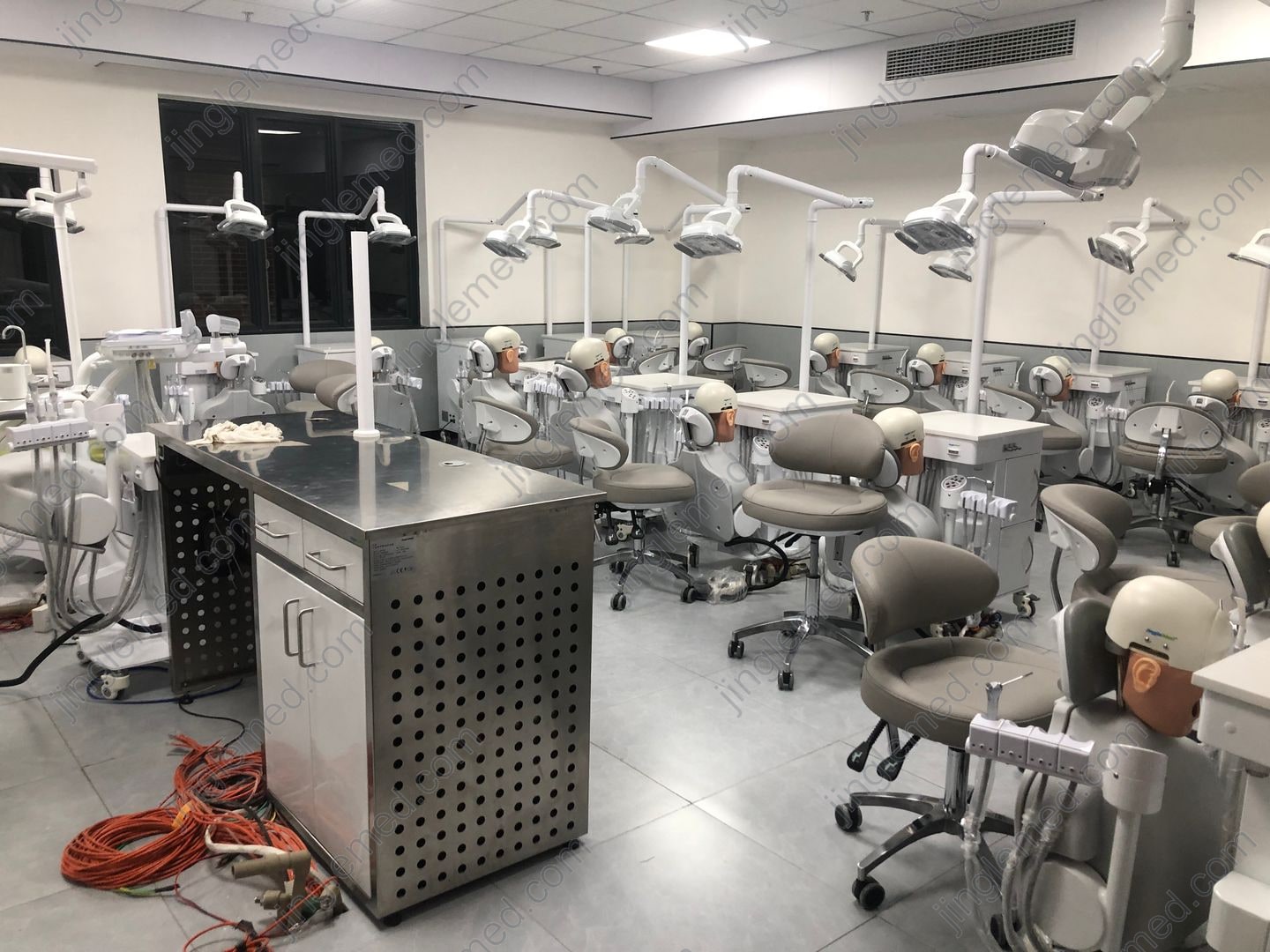
Dental simulator tender specifications should describe the teaching function and how the school will check it. Ask suppliers to give the model, offered configuration and supporting document for each requirement. Identify essential requirements and options that can be priced separately.
For movement and positioning, describe the positions students need to use and request a demonstration of adjustment and locking. For typodonts, specify the exact practice jaw already used by the course, if any. Ask for confirmation of the mounting method, tooth references and any adapter needed. A claim of compatibility should identify the actual parts.
Example wording to adapt
Provide [number] independent practice positions for [teaching exercises]. Identify the simulator and practice jaw supplied at each position. List all instruments and accessories included. Explain how you will demonstrate the required functions before acceptance.
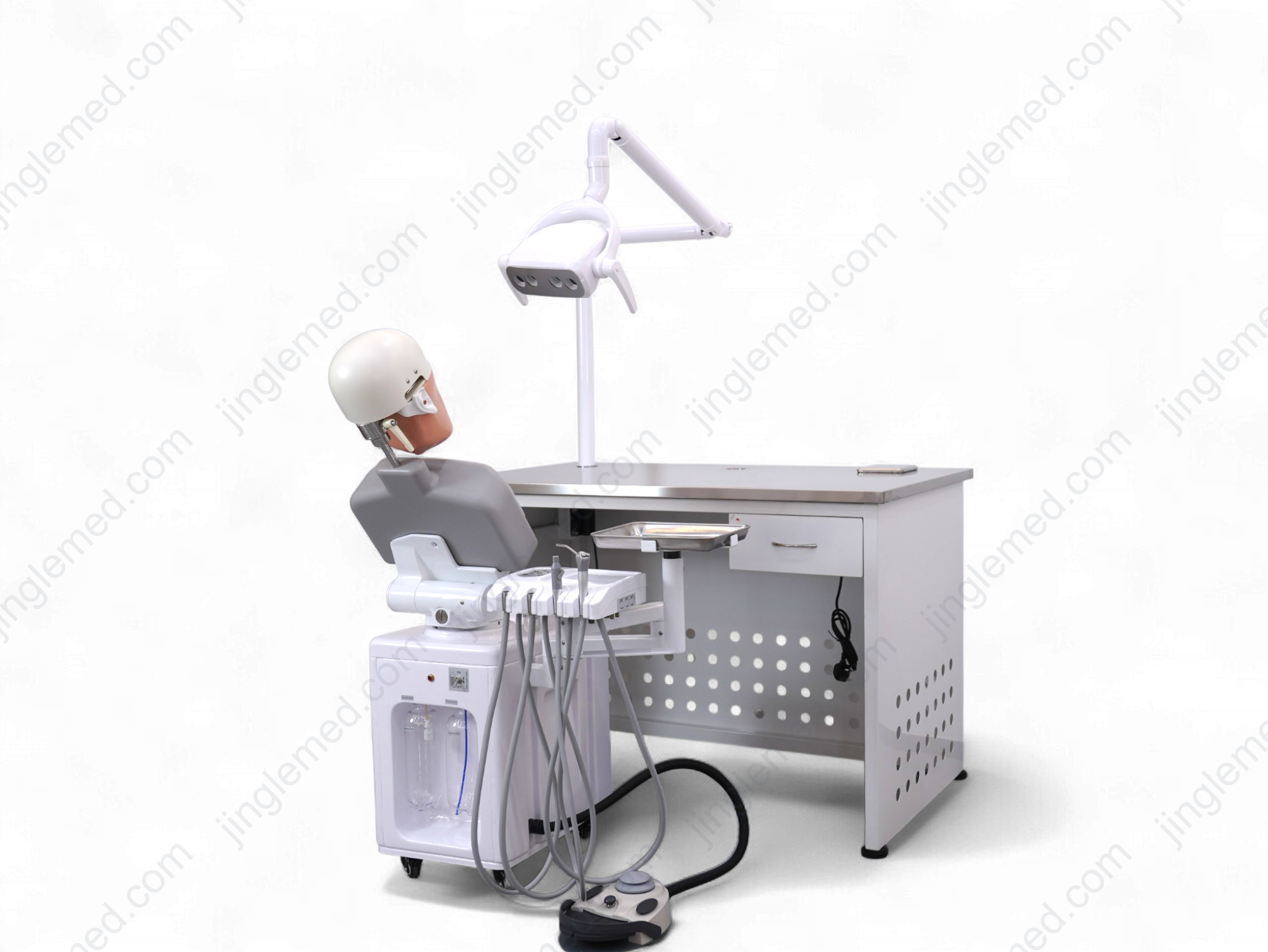
List what each station includes: phantom head, practice jaw, lamp, instrument connections, foot control and stool, as needed. Ask whether handpieces are supplied or only their connections. Keep shared equipment, such as a compressor, on its own line. The simulator range can help you identify configuration options to discuss.
Use one supplier response table
Give every requirement an ID. Ask suppliers to answer each row as meets, partly meets or does not meet, then explain any difference. Require a document reference or demonstration method. A brochure on its own may leave the quoted configuration unclear.
| Requirement | Supplier must state | Evidence to request |
|---|---|---|
| Capacity | Independent positions per unit and total positions offered | Configuration drawing |
| Teaching functions | Adjustment, instruments and required exercises | Model sheet and demonstration |
| Jaw compatibility | Practice jaw, tooth references and adapters | Part list and fit check |
| Site services | Air, water, waste, suction and electrical needs | Model installation sheet |
| Delivery scope | Who transports, unloads, installs and trains | Scope and responsibility list |
| Support | Warranty coverage, exclusions and parts ordering | Written support terms |
Have facilities staff review the installation sheet before finalising room work. Air demand, power and water handling depend on the offered configuration. Include the installation requirements guide in your internal review, and request the actual model documents with the bid.
Ask for an itemised price
Request unit prices and quantities for equipment, opening consumables and options. Ask suppliers to identify freight, import charges where applicable, installation and training costs, and anything the school must arrange. State the currency and delivery destination, and ask for quote validity and proposed payment terms.
For repeat purchases, request part numbers, pack sizes and prices for replacement teeth and other consumables. Record any minimum order or ordering conditions. Use the same planned course use and comparison period when reviewing running costs. The five-year lab cost guide provides a budget worksheet.
Agree on delivery and acceptance
Separate the target delivery date from the date the lab must be ready for teaching. Ask suppliers to propose dates for production, transport, installation and training, and list the site work they need completed first. Name who handles unloading and moving the units into the room.
Write an acceptance checklist before placing the order. It can cover model and quantity checks, agreed accessories, adjustment and locking, operation of supplied instruments and the fit of the specified practice jaw. Agree who will perform each check, what record they will keep and how faults or missing items will be resolved.
Request operating documents and written warranty terms with the proposal. Confirm when coverage starts, which parts and labour it covers, and who pays shipping or travel for a repair. Ask how the school identifies and orders spare parts. Use the manufacturer checklist for further supplier checks.
Review the brief before issue
Ask instructors, facilities staff and purchasing staff to review the same version. Include the closing date, time zone, contact for questions and required response format. Let your purchasing team set evaluation criteria and any weightings before inviting bids. Compare replies against those criteria and record points needing clarification.
A lab procurement can include equipment and ongoing supplies. For example, NWUPC's dental simulation procurement scope includes phantom heads, replacement teeth, supporting equipment and spare parts. Use that breadth as a reminder to define your own scope; its specifications and purchasing rules belong to that procurement.
Questions before sending an RFP
Do we need a model number first?
You can describe the teaching tasks and let suppliers propose models. Ask each supplier to name the exact model and configuration, explain how it meets the brief and list deviations.
Can we reuse our existing typodonts?
Include their make, model and part references. Request a fit check with the proposed mounting arrangement and replacement teeth before accepting compatibility.
Should alternatives be allowed?
Have your purchasing team decide. If allowed, ask for a separate alternative proposal that explains changes to teaching functions, site needs and price.
Discuss your lab requirements
Send JingleMed your teaching tasks, required independent station count, destination and room plan. Include your draft requirements and any existing practice jaws you need to keep. We can review the proposed configuration and identify items to clarify in the equipment list.